
Straight Through provides space for healing, connection
Dr. Adrienne Kennedy created Straight Through, the next installment of which takes place at Urban Arts Space on Thursday, July 30, as means to embrace the act of listening to music as a cultural practice and to foster community.
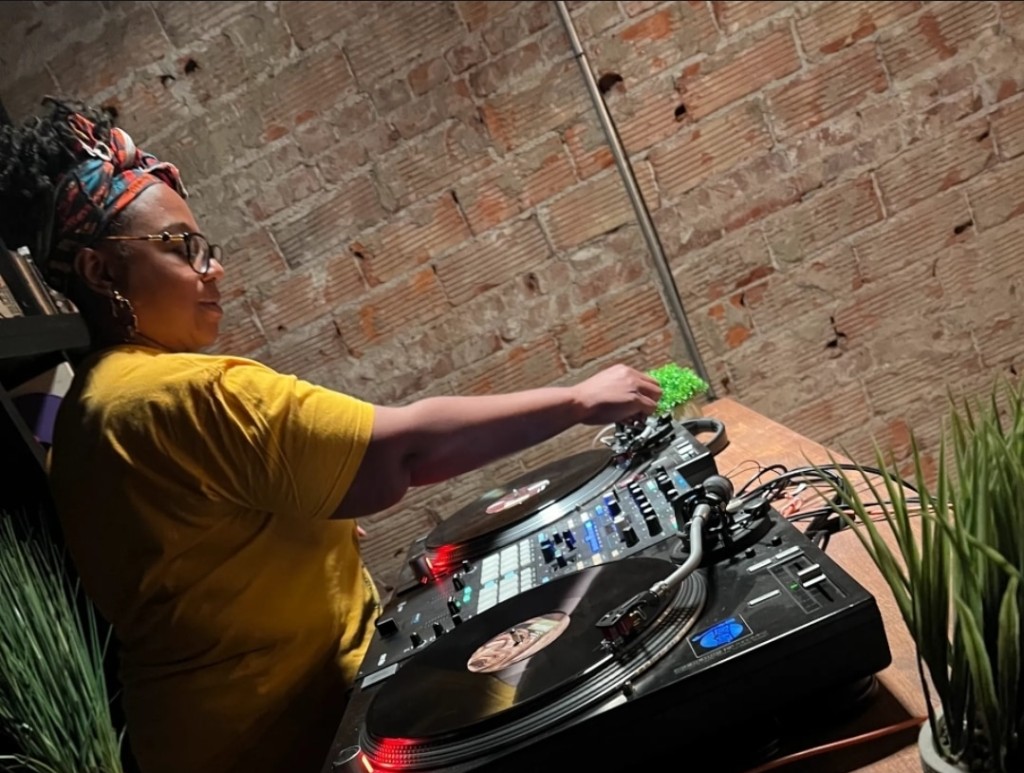
Earlier this year, Dr. Adrienne Kennedy launched Straight Through, an event in which attendees listen to a single album in its entirety, taking time out to sit in community and to reflect on whatever questions might be dredged up by the music.
“I wanted to create a space where we could stop consuming music so quickly and return to listening as a communal and cultural practice,” said Kennedy, whose first few events took place at the Kutt Records on the city’s West Side and centered on albums by Sampa the Great (As Above, So Below), Rapsody (Eve), and Common (Be), respectively. “I’m also an artist and a DJ, so I’m really connected to how people respond to music. But this came about because I wanted to see what would happen when we actually slow down and really give the full album a chance to unfold the way it was intended, because we’re so used to scrolling, skipping, listening to a song for a few seconds, or just using music in the background. So, this is really, in my view, a corrective experience, where we listen to one album in one room and really allow it to unfold as a complete work.”
The coming iteration of Straight Through, set to take place this week at Urban Arts Space in collaboration with the Sacred Spaces Collective, deepens and expands on the concept, the selected album – Heaven by Cleo Sol – chosen in part because of how it complements one of the downtown gallery’s current exhibitions, “The Black Madonna & Other Sacred Spaces,” a group show centered on “healing, ancestral memory, and sacred creative practice within Black, Brown, and Indigenous communities” and featuring contributions from the likes of Arris Cohen, Ajanae Dawkins, and David Butler, among others.
A donation powers the future of local, independent news in Columbus.
Support Matter News
“I definitely think [Heaven] fits what they’re going for in the space, because it’s about interiority and what people are feeling on the inside,” said Kennedy, who will be on hand at Urban Arts Space for the free listening session beginning at 7 p.m. on Thursday, July 30. (RSVP by clicking here.) “I think [the album] gives us the chance to tap in and ask, what are some things we’re ready to let go of? What are some things that maybe our younger self still needs to hear?”
Kennedy said the album choice was further influenced by conversations with “Black Madonna” curator Keya Krenshaw, with Kennedy recalling how Krenshaw described her desire “to create a space for people of color to feel seen, to feel safe, and to feel held” within the gallery.
“And, speaking from my own experiences as a Black woman who worked in corporate spaces, there’s a lot that we are asked to silence, shrink, abandon,” continued Kennedy. “So, this is really giving folks a safe space to stay with themselves, to return to themselves. And I think that’s really important today and every day.”
For Kennedy, music has always served as a point of connection, the DJ tracing her fascination with the form back through early childhood, when she “wanted to be Diana Ross,” as she explained it. She then recalled how she attended her first concert in kindergarten – a performance by Stevie Wonder – and how the experience that left her with an almost indescribable feeling that she continues to chase to this day.
“Music has always helped me to process things, whether internally or externally,” she said. “It has always been that thing that gives me push, that gives me drive, that gives me something to think about, that holds me when I’m happy or sad. For me, it’s transformative.”
And yet, it was only a few years back that Kennedy first began to DJ, initially taking to the craft when she received a flyer for a free DJing class that she attended on a whim. Having already logged two decades as a social worker, Kennedy said from the jump she viewed the turntables as an extension of this work, homing in on the ways that the music could be employed in service of healing.
This idea has resonated with increased urgency in recent years, with Kennedy pointing to everything from the ripples of pandemic shutdowns to an increase in social interactions taking place in the digital realm as forces driving an isolation that has taken increasing hold in modern society, and for which she hopes Straight Through can serve as balm.
“It’s a tool that I can use to help people return to themselves, and to create some space for healing, for reflection, for regulation,” Kennedy said. “There’s really a method to Straight Through, and it’s rooted in brain science and based on everything I learned over my 20 years as a social worker. … I think it can help people feel less alone and more connected.”
Author
Related Articles
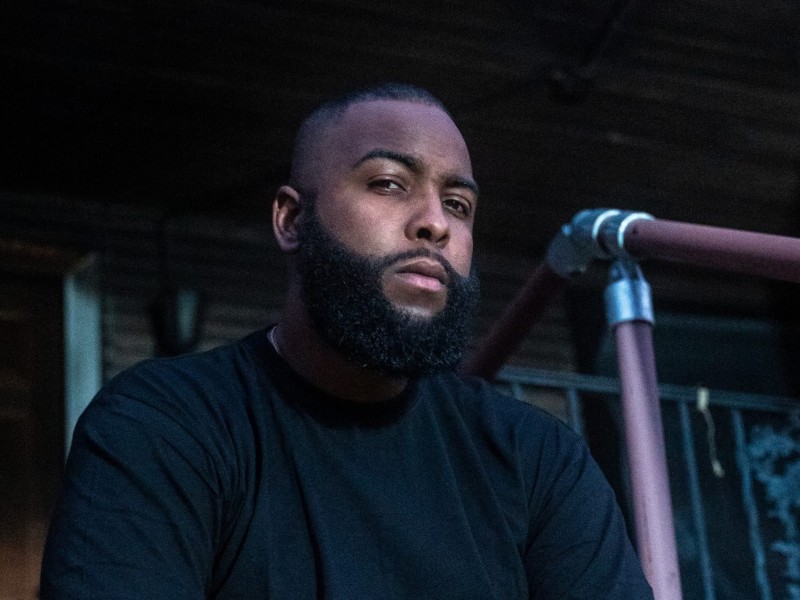
Duece Dysart establishes his own cadence with ‘Chapter Black’
The Columbus rapper will celebrate the release of his new Audio Unit-produced EP in concert at Rehab Tavern on Saturday, Aug. 1.
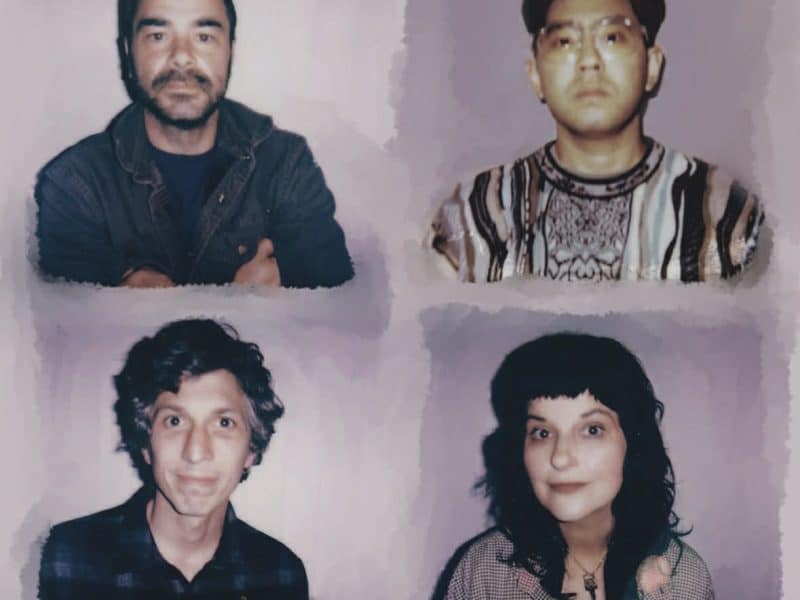
Long Odds find magic in ‘The Dry Land’
The Columbus rock band will celebrate the release of its new record in concert at Rumba Cafe tonight (Friday, July 24).
Big Fat Head has some questions for you
The inventive Columbus collective will celebrate the release of new album ‘Global Voyeur’ in concert at Rumba Cafe on Friday, July 24.