
Aaron Lee Tasjan learns to push through it
The Nashville musician visits Rumba Cafe this weekend behind the career-best ‘Get Over It, Underdog.’
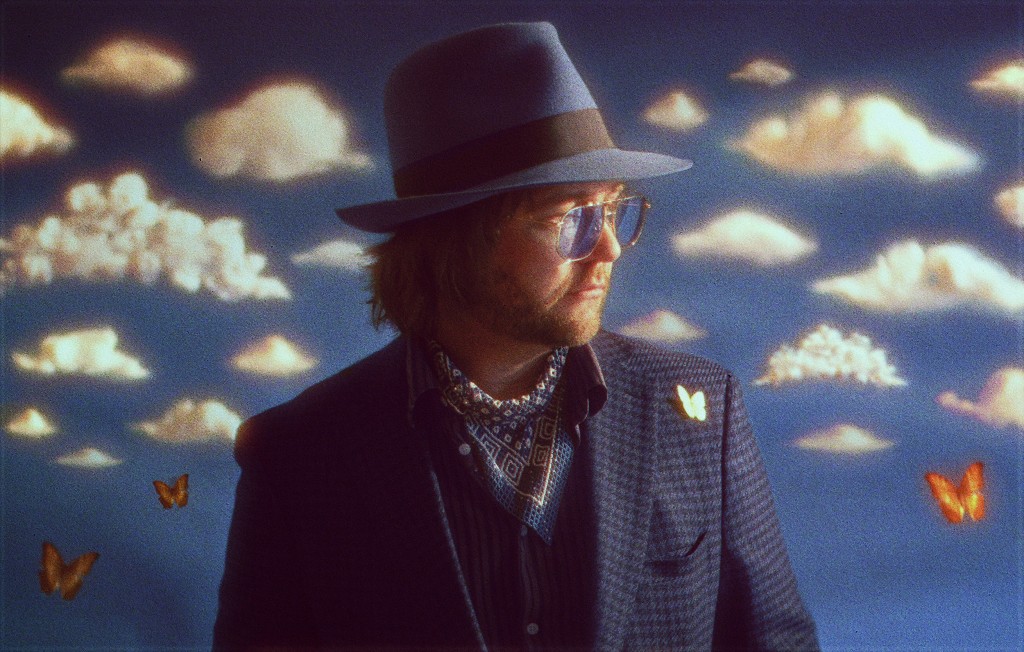
Prior to beginning work on Get Over It, Underdog, released in May via Blue Élan Records, Aaron Lee Tasjan had been in a creative fog, his enthusiasm for the industry dimmed by a post-Covid decline in audiences at his concerts and his attentions diverted by a series of personal challenges.
“My partner, who I’d been with for eight years, broke up with me, my mom got diagnosed with mouth cancer, and my booking agent quit. And it all kind of happened right in a row,” Tasjan said by phone ahead of a headlining show at Rumba Cafe on Friday, Nov. 20. “And there are worse things happening to people in the world, and I don’t mean to make it sound like, you know. But when there are so many things like that one after another, it’s like, man, what the hell? And it can really kind of destabilize you, especially emotionally.”
At the same time, Tasjan said he was trying to challenge himself to take new approaches to songwriting, and the material just wasn’t clicking, compounding his frustrations. In struggling through this stretch, Tasjan eventually sought the advice of friend and mentor Todd Snider in the months before he died in November 2025, with the musician relaying some of the lessons he had learned decades prior from the late, great John Prine.
A donation powers the future of local, independent news in Columbus.
Support Matter News
“And I think what I eventually learned, and this is no big revelation, is that … when you’re in the midst of it, you really just have to keep going, and you have to keep putting one foot in front of the other,” Tasjan said. “When everything crashes around you like that … you have to allow yourself to feel all of it. And that was really hard for me as a guy who spent a lot of time avoiding that feeling through taking a lot of drugs and really focusing on the parts of my life that were working and never really looking at anything else.”
And so, Tasjan stopped taking drugs, at least for the time being – “I don’t know if I’m a sober person in the context of I’ll never do anything like that again,” he explained – and allowed himself to sit clearheaded with these varied heavy emotions, working through them in a way that enabled the light to gradually bleed back into his writing and leaving him reinvigorated.
“I had really just been in this place where I was like, man, am I losing everything I love? And I was feeling really afraid,” said Tasjan, who found extra comfort in thumbing through When Things Fall Apart by the Buddhist nun Pema Chödrön, which instructs readers on ways to face fear and uncertainty with compassion and curiosity intact. “And forcing myself to confront everything with a clear mind helped me to figure out that I’m not afraid, and that I am resilient, and that when a season of loss or change comes into my life, I can always rebuild.”
This sense of renewal reverberates throughout the career-best Get Over It, Underdog, which careens between infectious power-pop burners, loose psych rock jams, and meditative acoustic turns such as the prayerful “No One’s Gonna Know.” Though musically diverse, the songs are threaded through by Tasjan’s deeply empathetic writing and his innate curiosity, which surfaces most cleanly in “Shiver.” “What does she see when she closes her eyes?” he sings.
Tasjan traced this deep interest in humanity backwards through childhood, recalling how when he was a kid his father used to tell him that “the best time to make up your mind about another person is never.” “And I try to keep that thought in the back of my mind with anybody I meet,” he said, “and I try to maintain my curiosity and never rush to judgment.”
The musician hasn’t abandoned his right to criticize, however, and he leans into songs such as the wryly humorous “Science Friction” to skewer the patriarchy (“Man control the weather/Man control the women”), the AI tech boom (“Man-made machines putting man out of business”), and the oligarchs who are rushing to gobble up media properties in a bid to control the public’s access to information (“When wealth dictates control/Ideas no longer flow”).
For Tasjan, there’s a power that comes in this “naming of the thing,” as he explained it, even if it can be deeply uncomfortable at times to do so.
“It’s important to keep in mind that these people in power delight in the harm of innocent people, and we see that in our immigration policy, and we see it playing out socially in things like the Cornell [rape] incident. And it’s just a really troubling moment where we have to come to grip with the fact that there are others who don’t mean people well, and who in fact are taking pleasure in the harm of others,” he said. “And to me, that’s something important to face and figure out collectively how to stop. … And I think the first step is naming it, the second step is considering why this is such a widespread issue, and then the third step is deciding as a society that when we see this behavior moving forward we’re going to immediately call it out, because people end up getting away with it way more than they should since it is so uncomfortable to look at and to speak up about.”
It’s a concept that gives shape to “The Real,” which Tasjan wrote alongside Snider prior to his passing, and which finds him speaking to the world’s “working class believers” and “infinite love receivers,” asking them to heed a larger call.
“Tell of our true history,” he sings, making reference to the violence perpetrated by evil men, and then a few beats later adding, “It’s up to us to heal it.”
Author
Related Articles

Navigating the chaos with Brute Sun
The Columbus rock band will celebrate the release of its debut album with a pair of release shows this week at Used Kids Records (Friday, Nov. 20) and Rambling House (Saturday, Nov. 21).
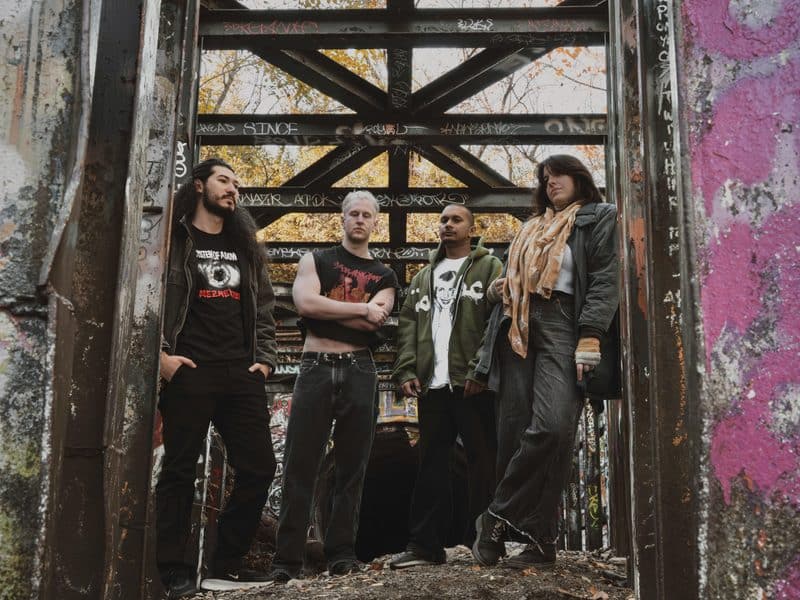
Lucky Shot finally calls it what it really is
‘These people are enduring actual living nightmares. And for me to not speak on that in my actual music, it just seems like such a slap in the face to people who are living through actual hell on Earth.’
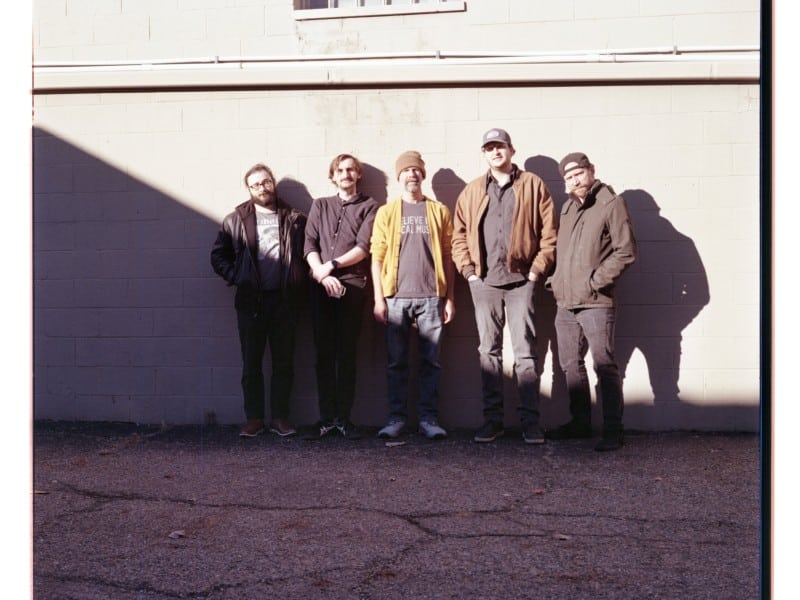
Hello Emerson finds the beauty in ‘Brief Interviews on Heartbreak’
Sam Bodary will join his bandmates in celebrating the release of their new album at Natalie’s Grandview on Saturday, Nov. 14.