
Columbus filmmakers embrace patience in the making of new East Palestine documentary ‘The Bulldogs’
Shot over the course of a year following the derailment of a Norfolk Southern freight train, the newest release from the Loose Films crew plays at the Gateway Film Center on Sunday, Nov. 22.
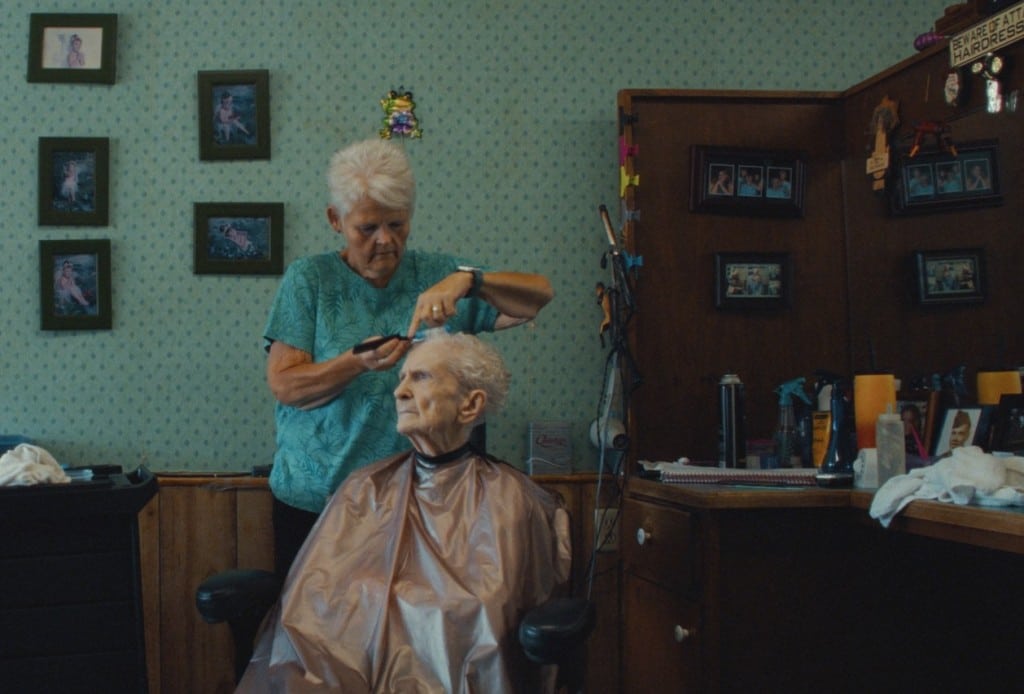
There’s a scene early in “The Bulldogs,” the new documentary from Columbus-based Loose Films, in which a resident of East Palestine describes the swarm of news cameras that descended on the tiny Ohio town in the wake of the February 2023 derailment of a Norfolk Southern freight train. “There was TV cameras everywhere,” the man says. “You’d go downtown and there’d be a half a dozen TV cameras. You’d go to the school; they’d be set up there. They were everywhere. Everywhere.”
Armed with this awareness, and understanding that the town’s residents might be guarded, if not outright resentful, of even more cameras being present, the crew opted to take a different approach, beginning primary work six months after the derailment and then returning to the town frequently over the course of a year.
“I went up on February 7, which was just four days after the derailment, just to see what … kind of story could be told from an Ohio filmmaker’s perspective, because we had all seen the news cameras and corporations descend on the town from afar here in Columbus, and our initial reaction was like, ‘There’s a story to be told here that I don’t think is going to be told by the traditional news media,’” said Drew Johnson, who joined fellow Loose Films co-founders Noah Dixon and Ori Segev for an interview ahead of a 7 p.m. screening of “The Bulldogs” at the Gateway Film Center on Sunday, Nov. 22. “And, you know, in initial talks with people, we did see a lot of hesitancy. … But I think we found that as soon as we said that we were independent filmmakers, independent documentarians, and that we had no ties to anyone but ourselves, that doors opened up a lot easier. And in many ways our film is giving platform for the residents to find some of their agency.”
A donation powers the future of local, independent news in Columbus.
Support Matter News
As a result, nothing within “The Bulldogs” feels forced, the documentary’s tone and feel shaped in part by the approach the filmmakers came to embrace in shooting, which often involved setting up a camera and allowing events to unfold naturally within the frame. At times, this approach caused Segev, who also served as the film’s director of photography, a measure of anxiety owing to how greatly it differed from earlier narrative projects.
“And for me, that was tough, because you meet somebody, or they want to talk, you put the camera down and you start thinking, ‘Was that the best place to put it? Do I have a better shot here?’” Segev said. “I think it was a lesson in patience, in learning to sit with [a scene] until there was that really interesting moment.”
“With narrative, so much is in your control. You’re storyboarding. You plan everything to a T,” Dixon said. “And with documentaries, obviously there’s an element of losing control in a way that’s challenging, like Ori said, but that’s also really cool. … There’s a bit of a street photography in a way, where it’s like, ‘I’m just going to wait here with this nice shot and hopefully somebody walks through at the right time.’”
Some of these moments only revealed themselves in the editing room, while others sparked instantaneously on camera, including the first interview with townsperson Barb, which took place on Halloween as she readied to take part in a “Thriller in the Park” group zombie dance. “There was just something about her philosophy and who she was as a character that she really emerged as kind of a backbone of the film,” Dixon said. “And once we spent more time with her, it really illuminated what other residents fit into the narrative.”
Interviewees range from retirees to high school students – “The Bulldogs” takes its title from the nickname given East Palestine High School athletic teams – and there are a diversity of thoughts and perspectives represented. Discussing the environmental impacts of the derailment, for instance, some residents appear wholly nonplussed, while others express fears of the potential long-term health consequences.
Aspects of the film were also shaped by what the creators knew they didn’t want the project to be. There’s no scientific deep dive into the pollutants unleashed by the derailment and the subsequent “vent and burn” of five tank cars that sent dark plumes high into the atmosphere. “It felt like someone else was going to make that movie,” said Segev, who added that the filmmakers entered into shooting with the idea that they wouldn’t even ask residents about the derailment, though it often surfaced naturally in conversation.
And while politics maintain a steady presence in the film – then-President Joe Biden’s mispronunciation of the town’s name (it’s Palesteen, not Palestine) and the fact that he didn’t visit until more than a year after the derailment linger as resentments among many residents interviewed throughout – it’s not explicitly political, this dynamic surfacing as just one in many threads that make up daily life for most people.
“The Bulldogs” is bookended by explosions – the derailment and a sky filled with Fourth of July fireworks – and segmented by the seasons, emerging over the course of nearly 90 minutes as a beautifully shot portrait of existence in small-town Ohio, an exploration of the social and political complexities that can surface in the wake of disaster, and a reflection on the cycle of life and death that progresses unbothered by these squabbles no matter how devastating the earthly consequences.
“Even with Hupp, the taxidermist, you start his journey in the film with a dead dear head,” Johnson said. “And then suddenly it’s spring and we’re hunting for morel mushrooms, and he’s talking about the life inside a piece of dead wood.”
“There’s a seasonal aspect, for sure, just reflecting on life and death and place,” said Dixon, who acknowledged the frequent visits to East Palestine also led him to consider his own upbringing in the state. “I think a lot of the stuff we do in general, even the narrative work, has a throughline of place. And being filmmakers in the Midwest, I think that’s inherent in a lot of our footage. … But every time we drove back [to East Palestine], it was this feeling of rejuvenation, and a certain type of pride in how beautiful it is in Ohio. There was a meditative aspect to making the film because, like Ori said, a lot of it was setting up shots in cornfields and in the woods and then waiting and paying attention to the beauty of the world around you. And ultimately, for me, I did come away with a different sense of Ohio pride.”
Author
Related Articles
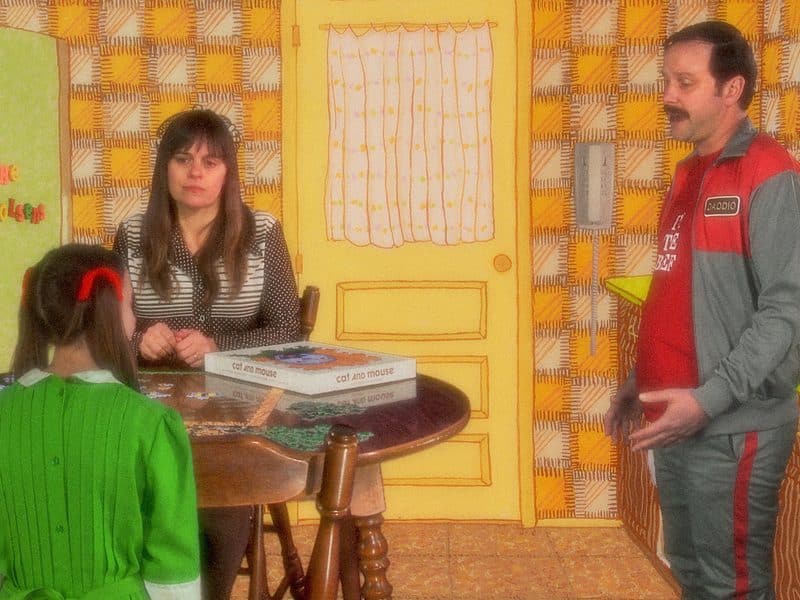
Mike Olenick constructs a puzzle with the surreal ‘Cat and Mouse’
The Columbus filmmaker’s new short will premiere at the Wexner Center for the Arts on Thursday and Friday, Nov. 19 and 20, screening before a new restoration of the animated film ‘Gandahar.’
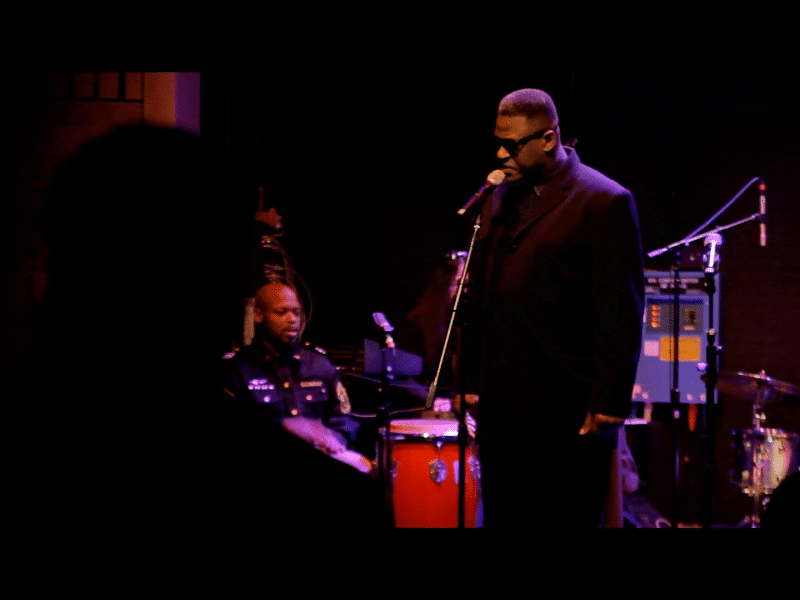
David Maurice Bailey documents the rise and fall and rise of the Lincoln Theatre
The local filmmaker will be on hand when his new documentary, ‘Columbus Backstage: Melodies & Moments,’ screens free at the Lincoln Theatre on Thursday, Nov. 12.
‘American Doctor’ asks viewers to not look away
The gut-wrenching documentary from director Poh Si Teng, who will be on hand when the film screens at the Wexner Center this weekend as part of ‘Unorthodocs,’ takes viewers inside Nasser Hospital in Gaza.