
David Maurice Bailey documents the rise and fall and rise of the Lincoln Theatre
The local filmmaker will be on hand when his new documentary, ‘Columbus Backstage: Melodies & Moments,’ screens free at the Lincoln Theatre on Thursday, Nov. 12.
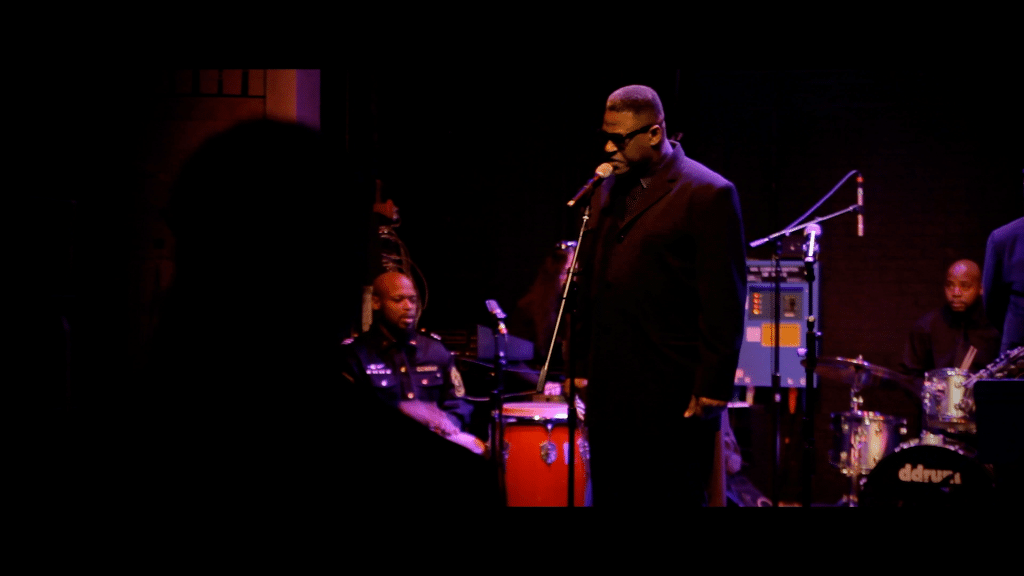
Growing up on the West Side of Columbus, David Maurice Bailey said he only knew the Lincoln Theatre as a dilapidated husk of a building that he would occasionally pass by while traversing the city in the early ’90s.
“We had no impression of the Lincoln back when we ran the streets on Mount Vernon,” Bailey said in an early November interview. “It was just this raggedy old run-down building that people sold drugs in front of. … That’s when it was really at its low point and people didn’t even look twice at it. It was just an eyesore that you walked past.”
In the decades since, both the theater and the surrounding neighborhood have experienced a gradual renaissance, aspects of which are chronicled in Bailey’s new documentary, “Columbus Backstage: Melodies & Moments.” The journey toward the film progressed nearly as slowly, beginning when Bailey started working as a freelance events producer for the theater in 2014, helping to stage dance performances, plays, and concerts that included the intimate Backstage at the Lincoln series.
A donation powers the future of local, independent news in Columbus.
Support Matter News
Initially, Bailey said he envisioned the film as a more straightforward music documentary focused on the concert footage captured at these shows by he and colleague John Ray, who serves as a co-producer on the project. But a series of events including a 2025 heart surgery led Bailey to expand on the movie’s scope, incorporating more of the research he had conducted into the Lincoln while working on the film.
“When I started, it was only about the music, and none of this other stuff had even entered my thought process. But as I’m researching, it was like, ‘There’s no way I can leave this stuff out, I need to tell the full story,’” said Bailey, who will be on hand when the doc screens free at the Lincoln Theatre at 6 p.m. on Thursday, Nov. 12. “And then I was sitting there after the surgery thinking of all the history we’ve already lost, and I’m thinking, what if something happens to me and I’m just sitting on all this history? And so, I had to go back and do more research on the neighborhood and then bring all of that into the fold.”
Archival material related to the Lincoln Theatre proved difficult to come by, which the director attributed to a trio of factors. “I think number one, we didn’t keep a good track of our own history,” he said. “Number two, some of that history has been buried. And number three, the commitment to the neighborhood [from the city] just wasn’t there, because if it was, we wouldn’t even have to search for this stuff.”
As a result, Bailey said he repeatedly encountered situations where people would tell stories, such as the time Ray Charles headlined the Lincoln, or how Jackie Wilson would sleep over at nearby Poindexter Village when he performed at the venue, and there were no photographs to offer in support.
And so, the filmmaker instead fleshed out the story by incorporating a wealth of interviews both new (jazz pianist Bobby Floyd) and old (late saxophonist Gene Walker), with these collective stories combining to create a more vivid portrait of the theater and the surrounding neighborhood both at their respective heights and then also during the post-redlining slide that followed the construction of I-70, which cut the area off from downtown in the 1960s.
Though centered on this history, the film emerges as a rich portrait of community, leaving ample space for interviews with longtime residents, along with stirring performance footage from the musicians who have abetted the venue’s modern rise, including Paisha Thomas, Talisha Holmes, Mark Lomax, and Eddie Bayard, among others.
“And really, that community was everything,” Bailey said. “It is definitely about community and the love for community, and then also what we stand to lose.”
Indeed, while the film captures the reality that the theater and the Bronzeville neighborhood in which it sits have been on the rise, it closes with a word of caution as Micheal Wilkos details the demographic shifts currently taking place that are transforming the historically Black neighborhood at such a rapid pace that Black residents could be in the minority as soon as 2030. “So, while [the area] is making a comeback, if we leave, all that history leaves,” Bailey said.
In adolescence, Bailey said he never felt a particular pull toward history, but he acknowledged that he’s always been interested in Columbus – a reality reflected in the trio of documentaries he has chosen to undertake in addition to “Columbus Backstage,” including one on the Deardurff House, which is the oldest known structure in Franklin County still on its original foundation.
“And that project, it was a learning curve,” said Bailey, who described how he found his footing as a filmmaker in undertaking that particular film. “And not just how to shoot, but in how to document history.”
Author
Related Articles
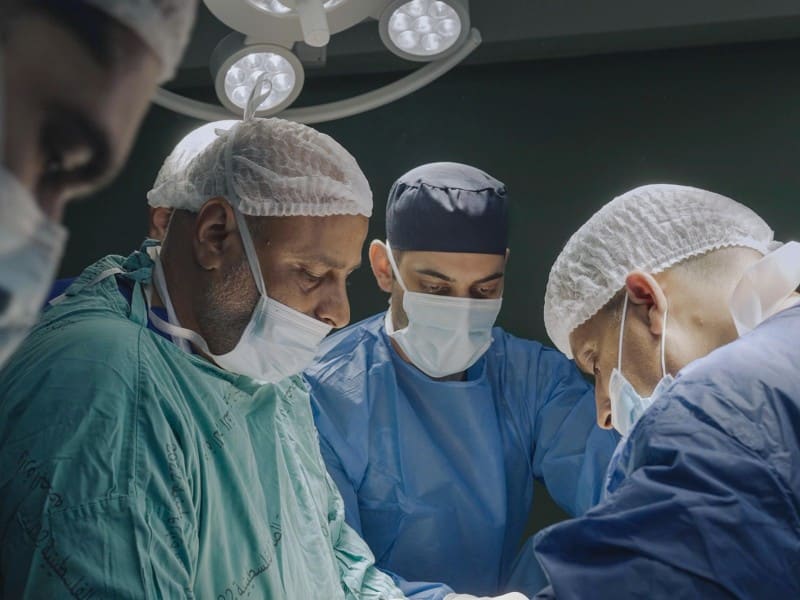
‘American Doctor’ asks viewers to not look away
The gut-wrenching documentary from director Poh Si Teng, who will be on hand when the film screens at the Wexner Center this weekend as part of ‘Unorthodocs,’ takes viewers inside Nasser Hospital in Gaza.
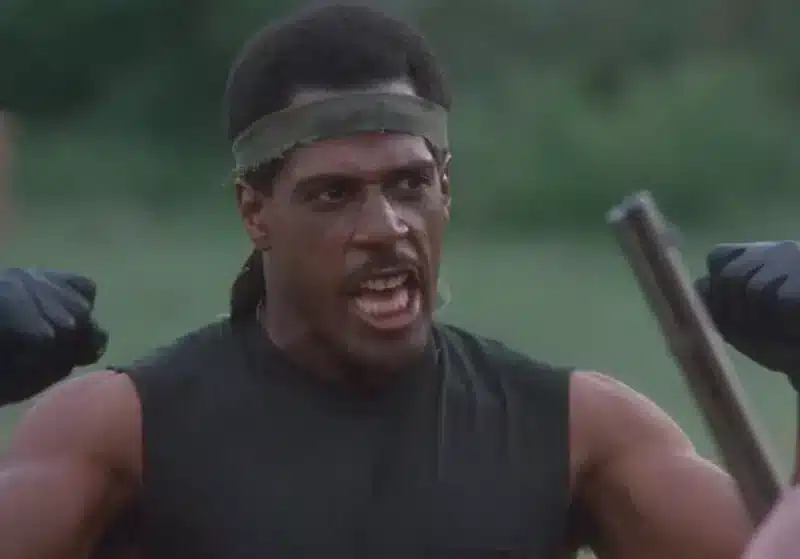
A newly restored ‘Riverbend’ finds fresh resonance in the modern era
A series of unlikely events collided to give new life to the 1989 film, which will screen at the Wexner Center for the Arts on Friday, Oct. 2.
‘Ice Cream Land’ balances fantasy, reality in making its way to the big screen
More than two decades in the works, the new documentary from artist David Denniston lovingly traces the life and experiences of Ricky ‘Ice Cream’ Jackson, who will be on hand when the film premieres at the Lincoln Theatre on Thursday, Sept. 17.