
Chris DeVille scales ‘Such Great Heights’ in tracing the evolution of indie rock
The Columbus music journalist will celebrate the release of his new book in conversation with Rob Harvilla at Used Kids Records on Wednesday, Aug. 27.
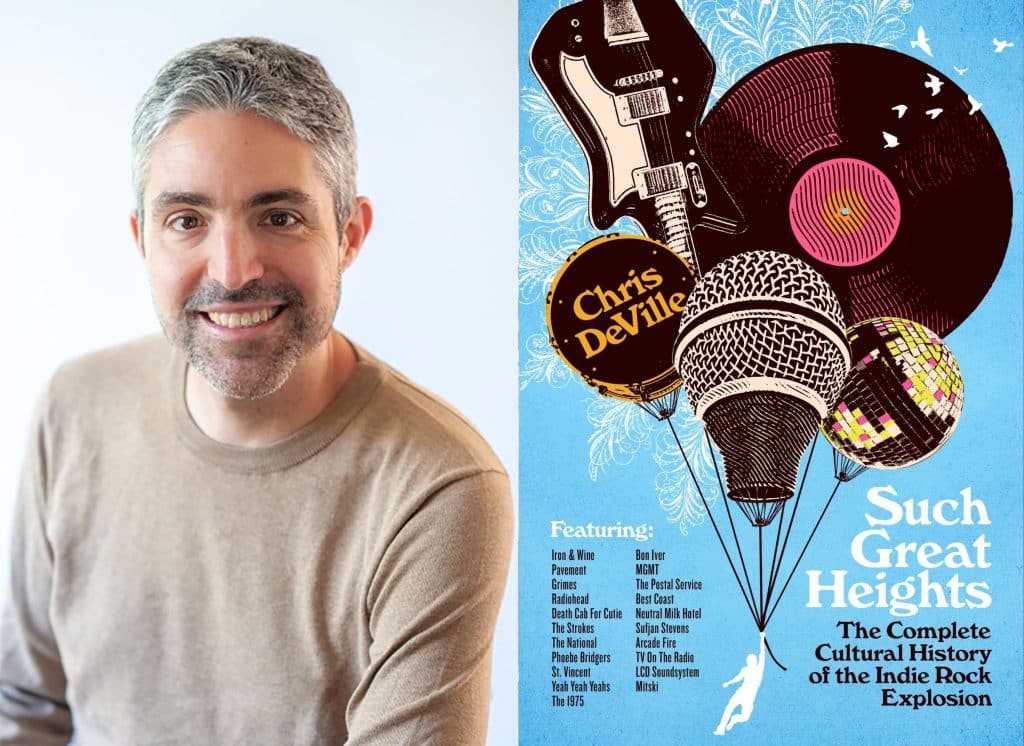
Columbus music journalist Chris DeVille’s new book, Such Great Heights, serves as many things.
It serves as a detailed look at big tech’s impact in changing how music is disseminated and consumed. It serves as a shadow history of Pitchfork, tracing the music review site’s trajectory from scrappy upstart into a cultural force whose influence became so pervasive that it could impact what albums some record stores chose to keep in stock. It also serves as a life-in-music memoir, with DeVille writing candidly of the way the bands he discovered in his teenage years often “doubled as a secret handshake with people cooler than me” – an approach adopted from the writers DeVille grew up lionizing, including Rob Harvilla and Tom Breihan, and embraced as a means to help readers see themselves reflected in the text.
Most of all, though, the book serves as a deeply researched history of the modern indie-rock era, detailing the numerous bands, musicians, and scene-adjacent figures who helped to lift the form from the world of hand-printed zines to the apex of popular culture, its artists collaborating with Taylor Swift and earning praise from the likes of Jay-Z.
A donation powers the future of local, independent news in Columbus.
Support Matter News
DeVille said his decision to focus his first book on this particular subject extended in part from a belief in “writing what you know,” pointing to a 2013 essay he penned for the music site Stereogum (where he now serves as managing editor) in which he unpacked the role of the TV series “The O.C.” in shifting the space indie rock inhabited within the culture.
“So, it’s a subject that’s already been on my mind for like a decade plus,” said DeVille, who will celebrate the release of Such Great Heights: The Complete Cultural History of the Indie Rock Explosion in conversation with writer Rob Harvilla at Used Kids Records on Wednesday, Aug. 27.
Another inflection point arrived around the same time in conversation with fellow critic Ian Cohen, who told DeVille that while most people believed hipsters to be into indie rock, in reality they were Beyonce stans – an offhand comment that helped to shape the direction DeVille explores in the book’s second half.
“And the end of the book, to me, is the whole reason for it to exist,” said DeVille, who described the opening chapters as a trip down indie rock memory lane written in comparatively broad strokes. The back half, meanwhile, delves into the various complex ways indie rock has continued to morph, with its tastemakers gradually moving toward pop, R&B and hip-hop, along with the pervasive impact of tech companies, which have repeatedly devasted the platforms musicians have relied on for income. “And since this is the sea I’ve been swimming in professionally for more than a decade, I felt like it was a story worth telling, especially because it does intersect with these big cultural currents. It intersects with intersectionality. It intersects with developments in big tech and enshittification. It intersects with all these other big-picture changes over the last 20 years.”
DeVille’s fondness for the discourse that surrounds pop culture, and in particular music, resonates throughout the exhaustively researched text, which draws upon decades of critiques, thought pieces, and interviews culled from an array of alt-weeklies, blogs, and national publications. Some of these exerted more influence than others, such as the 2004 New York Times essay “The Rap Against Rockism,” in which music critic Kelefa Sanneh articulated the biases inherited by indie rock fans that led some of them to dismiss certain genres, and along with them entire listener demographics.
“When I read it in the moment, it was pretty revelatory, like, ‘Oh, my God. I never thought about it that way,’” said DeVille, who recounted how the essay led him to unpack his own biases in the months and years that followed. “It’s like listening to the Beatles or something, where [the essay] has become completely ingrained in how I even think about music.”
Writing about his teenage fandom, DeVille candidly embraces the clumsiness of those years, detailing how his outward love for music sometimes served as a stand in for his entire identity. In the opening pages, for instance, he writes how his early musical obsession was driven in part by the “albums [he] could spin incessantly and organize into lists in place of a personality.”
As the book progresses, DeVille is able to maintain this childhood zeal for the form while becoming less defined by it, his tastes shaped by his own interests rather than the prevailing cultural winds. “When you grow up, you start to develop a sense of self that’s not as dependent on social acceptance and that sort of adolescent loneliness,” he said. “But, yeah, that genuine love for music has been there the whole time.”
It’s a passion that bleeds into every page, even as DeVille reconciles with the aspects of racism, homophobia and sexism that surfaced in some early coverage of the indie rock scene. He draws attention to a 2004 Pitchfork review of the M.I.A. album Piracy Funds Terrorism, Vol. 1 that kicks off with a wildly cringe-inducing paragraph, and later relays how some of the publication’s early rap reviews, the bulk of which were penned by white men, have since been scrubbed from the site owing to the deeply problematic writing contained within.
As a writer and a music lover, DeVille said he has always been drawn to engaging with these emerging discourses, comparing these layered conversations with being a fan of a TV series such as “Lost” and taking to an online forum to unpack the various easter eggs present within a given episode alongside other diehards.
“It’s just another extension of fandom, or a way to feel connected,” he said. “I haven’t really thought about why I love the discourse or what it says about me, but I definitely do. … I think there was a moment in time when I realized how great writing about music unlocks a deeper appreciation for music in me. Ever since I was a kid, I could play a great album and get totally lost in it, especially if it was something hard hitting, where there’s almost a physical or emotional aspect to it. … And I think unlocking the intellectual level on top of that is something that really appealed to me, where you can connect it to the deepest parts of life and see how the music you love intersects with the culture you live in. There’s something illuminating about that. It’s exciting to make those connections.”
Author

Related Articles
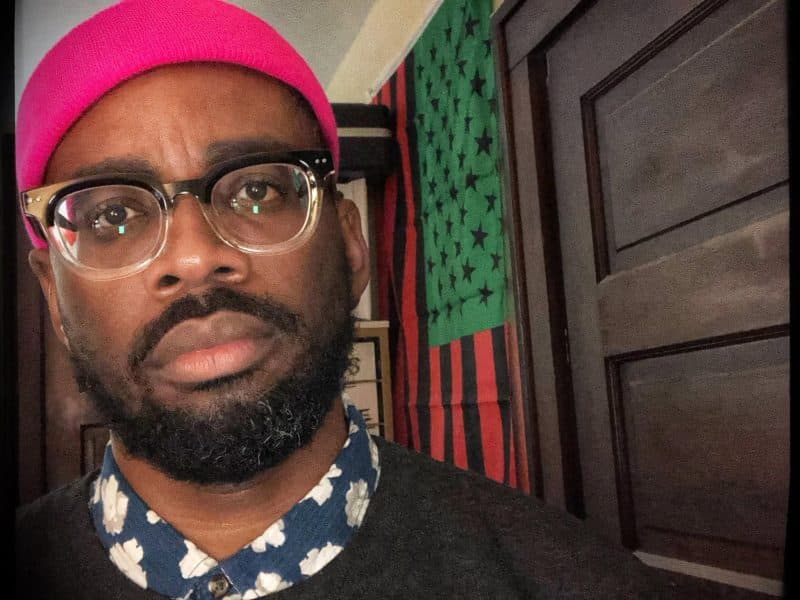
Dorian Ham names the monsters in the room with ‘In 250 Degrees I Revolve’
The Columbus poet’s new chapbook uses the anniversary of American independence to explore the repetitive nature of history, the politics of fear, and the need to push back rather than accepting ‘the badness of a thing.’
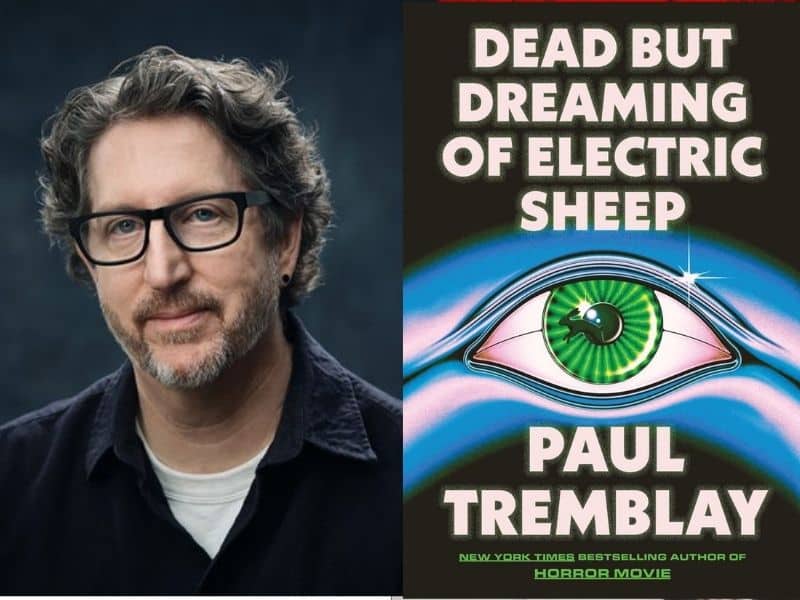
Paul Tremblay seeks out a human connection
The author, who will be in town this weekend for the Columbus Book Festival, finds inspiration in the insidiousness of Big Tech for his latest novel, ‘Dead but Dreaming of Electric Sheep.’
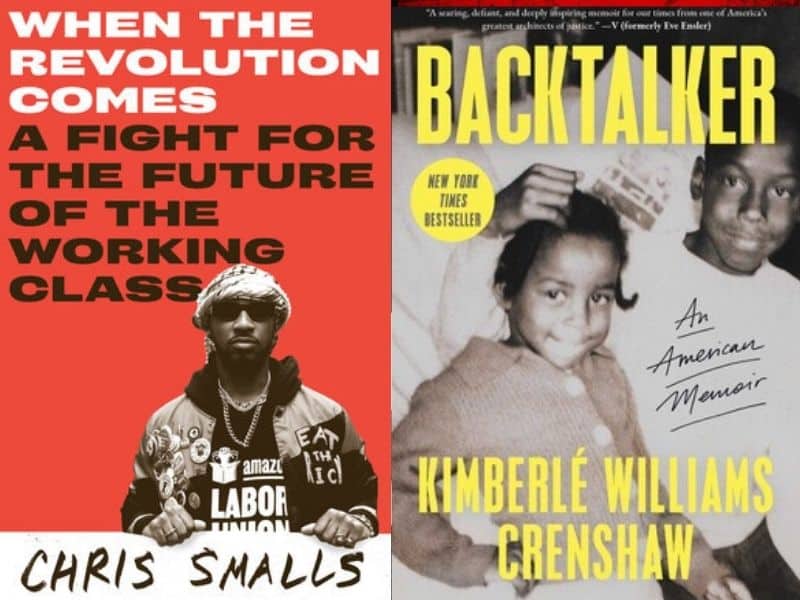
The Columbus Book Festival summer reading list
Here are 13 books to get you hyped for this weekend’s fest and to help you while away the remainder of these sweltering summer days.