
Opinion column: A district in name only
The conversations taking place in the wake of Tiara Ross defeating Jesse Vogel for a seat on Columbus City Council suggest the city might finally be shaking off its history of complacency.
The conversations taking place in the wake of Tiara Ross defeating Jesse Vogel for a seat on Columbus City Council suggest the city might finally be shaking off its history of complacency.
While designed to enable small and large developers to meet the needs of a growing city, Zone-In stops short of encouraging some of Columbus’ development needs.
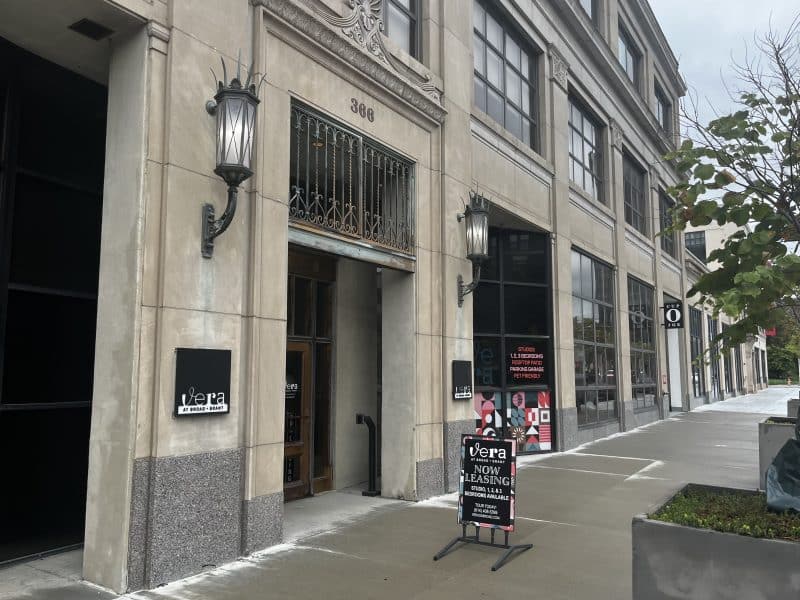
The Columbus Metropolitan Housing Authority's recent decision to purchase a large downtown property nearly a decade after stepping back from that model emerged from being caught in a swirl of a growing need for affordable housing, changes in federal policies, and new ways of looking at housing needs.
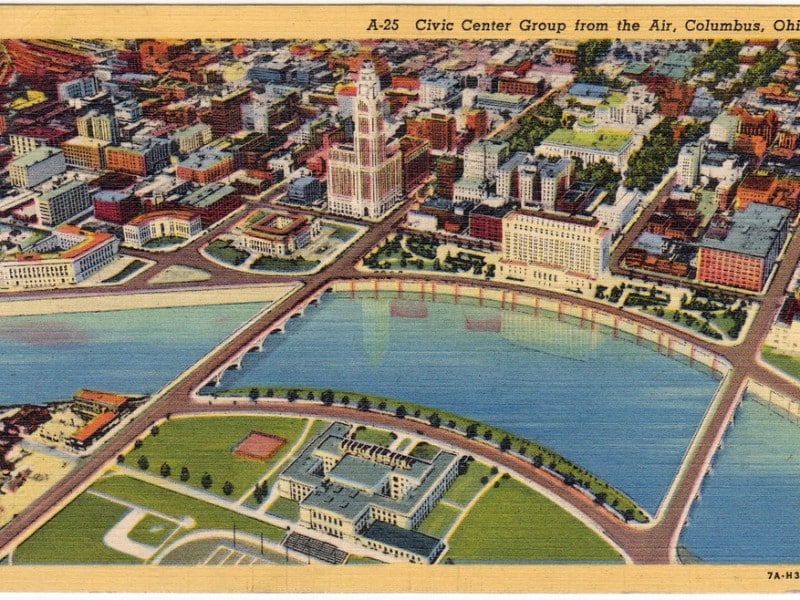
City maps show that by 1872 Columbus had grown well beyond that core along the Broad and High axes. Instead of neat, four-corner intersections of cross streets, the city’s main thoroughfares were broken into dogleg intersections.

Thanks to JobsOhio, out-of-state companies such as Amazon, Veo and Spin can invest little in Columbus and pull a lot of profit out of it.
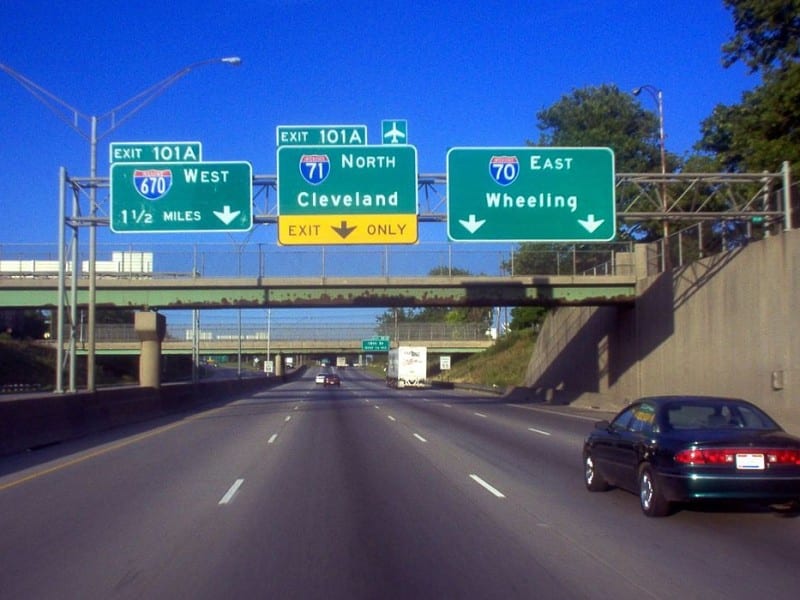
Construction of I-70 and I-71 in downtown Columbus and surrounding neighborhoods ripped the hearts out of neighborhoods, taking and destroying privately owned property and replacing those communities with tax-sucking superhighways.
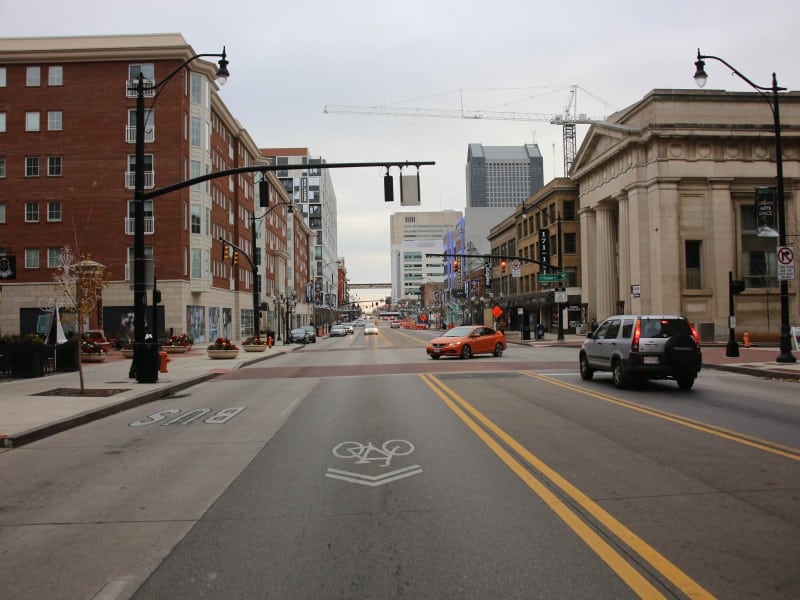
The so-called Columbus Way – public/private partnerships – applies to developers and other large businesses. Partnering with community groups? Apparently, not so much.

For walkability to be achieved, the concept must be embedded in the very framework of development.
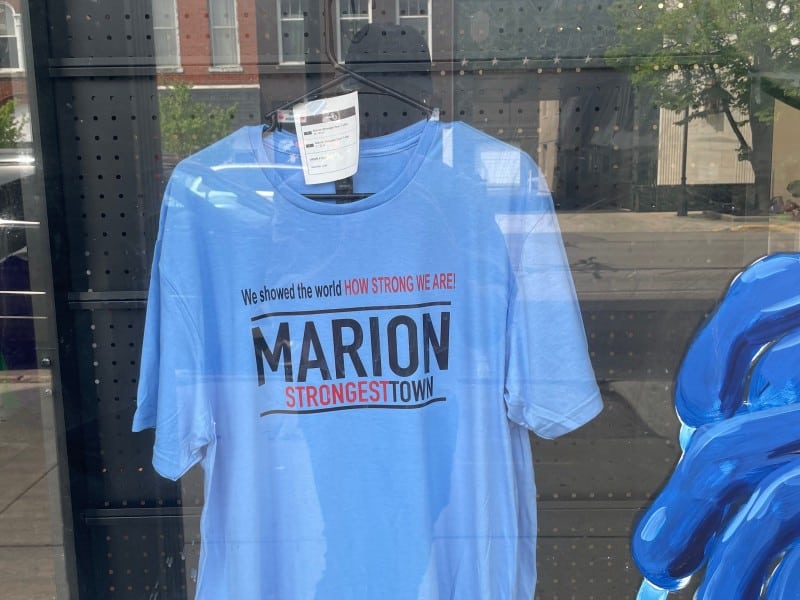
Before Marion Mayor Bill Collins took office early last year, he met with all department heads and asked about their priorities and wish lists, seeking projects that could be accomplished quickly to help the city build momentum. The plan appears to be working.
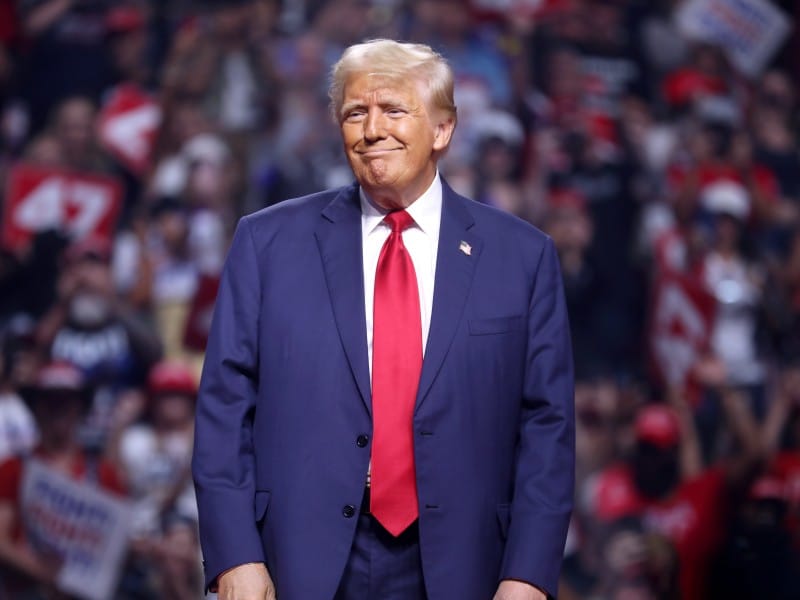
As with his denying of federal dollars for universities that don’t abide by his personal views, President Donald Trump shows a willingness, an eagerness, to stop local policies favored by local residents.