
Darren Demaree holds tight to empathy in ‘So Much More’
The latest collection from the Columbus poet, which he’ll celebrate with a reading at Two Dollar Radio Headquarters tonight (Thursday, Nov. 14), explores bleak themes but ultimately sides with hope.
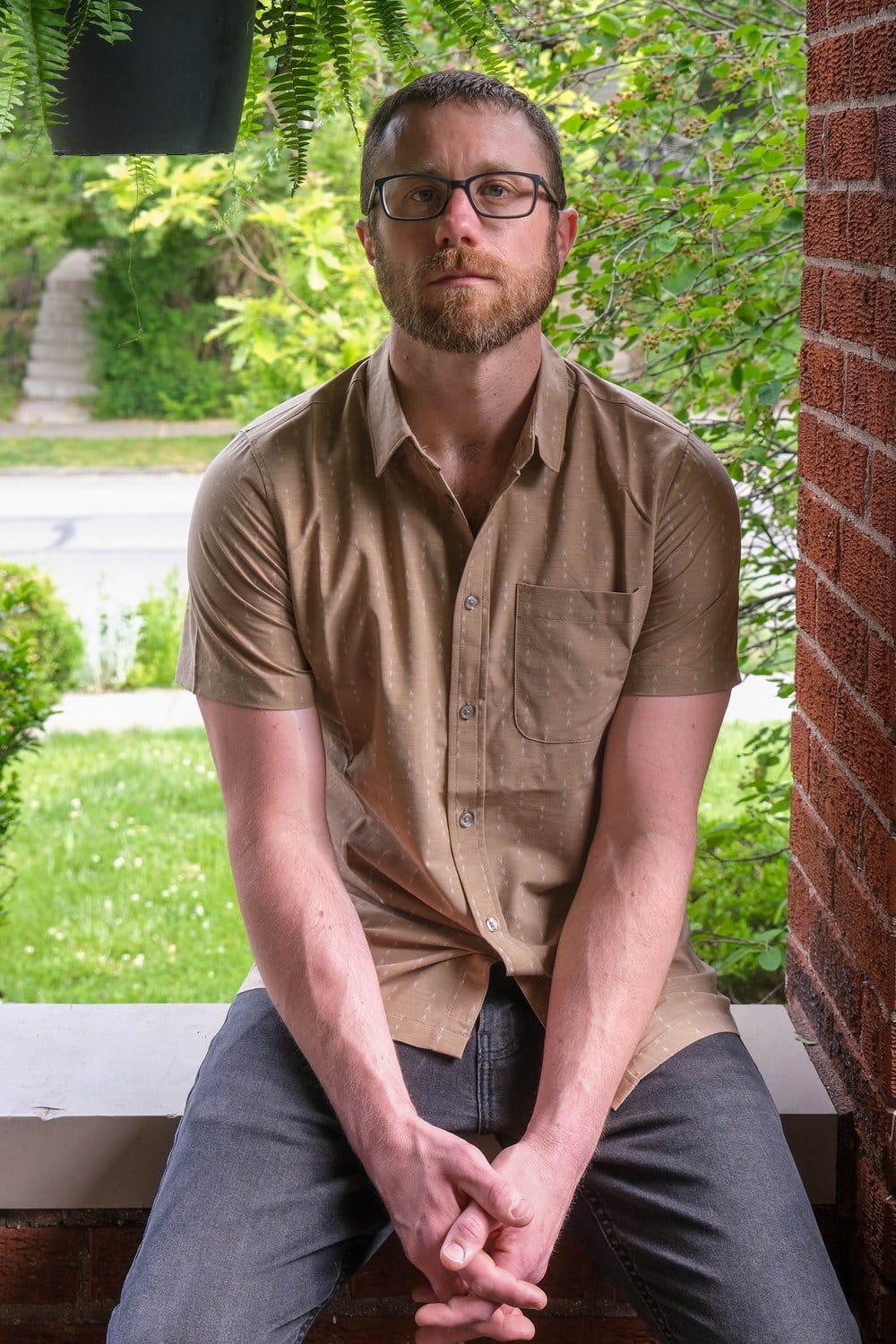
Darren Demaree wrote the poems populating his latest collection, So Much More (Small Harbor), around the time incoming President Donald Trump first took office in 2016, and the bulk of his verses reflect the chaos, ugliness and sense of despair the Columbus writer felt in those years.
Despite the occasionally rough exteriors – ravaged environmental landscapes, mass shootings and bombings all feature – these poems are more often given shape by their softness, Demaree wrestling with the challenge of raising empathetic children in a world that appears so willing to take a blade to anything or anyone perceived as gentle. (One section of the book falls under the heading “with an empathy so fatal.”)
“And one of the panic things about being a parent, as you know, is their safety,” said Demaree, who will celebrate the release of So Much More at Two Dollar Radio Headquarters today (Thursday, Nov. 14), reading alongside Kari Gunter-Seymour and Travis Chi Wing Lau. “In general, as you’re trying to teach people to grow up and lead interconnected lives, the big challenge is to raise them to be open to that connection, so that they get to live a full life, and they’re not closed off or scared. The fear comes regardless, but you want them to be open to a bigger life than that.”
A donation powers the future of local, independent news in Columbus.
Support Matter News
The time when many of these sequences were first written felt like one of oppressive darkness to the poet. “And when it’s darkness and there are no answers, you don’t necessarily write poems to find answers,” he said. “You write poems to go exploring and maybe figure out what you feel and see in the process.”
It wasn’t until Demaree returned to these sequences years later and began fitting the pieces together jigsaw-like that he started to view the connections existent between them, initially struck by how elements of hope worked their way beneath the surface in even the bleakest moments. The poem “before the war begins the war begins,” for example, recounts shattered scenes of gun violence but also includes a stray line describing a sparkle of sunlight rippling through a wine bottle.
“And that beauty that America sort of wants to destroy, that beauty comes with a lot of hope,” Demaree said. “And despite writing about some incredibly dark things and some incredibly hopeless things, that hope just kept popping in. … I can’t write poems like Ross Gay, where it’s this ultimate search for joy in the world. But even if I’m actively trying to engage in other things, the poems in this book, at least, banked or ricocheted off of some kind of hope that I can’t shake.”
The reasons for this are manifold, attributable to Demaree being a father of three, which necessitates holding tight to the promise of a better tomorrow, as well as to more deeply rooted character traits that have given definition to everything from how he views his role as a parent to his chosen profession working in a public library. “I think it all emanates from wanting things to be better than they are,” he said. “That means you’re going to be an active participant in building and community in a way that can’t be hopeless, because if it’s hopeless, you’re not going to help anybody. And ideally, the poems are working in the same function.”
And yet, the poems in So Much More can still be unsettling, with Demaree leaning into more apocalyptic language (violence, ash, erosions and fires reign) as a means of capturing the national mood at the time. Even the structure of the book creates a sense of imbalance, with the longer, denser poems falling toward the end of the collection, making the entire structure feel as though it could topple over at the slightest touch, held aloft as it is by those comparatively spindly early verses.
As a poet, Demaree has developed an impressive economy of language, able to transmit deep rivers of feeling in a handful of concise lines – a development he described as a combination of an increasingly ferocious editing pen and an unintended byproduct of parenting. “When you get that chance to really say the things you believe to your children, you really try to simplify and clarify,” he said. “And that can really help you distill things.”
Author

Related Articles
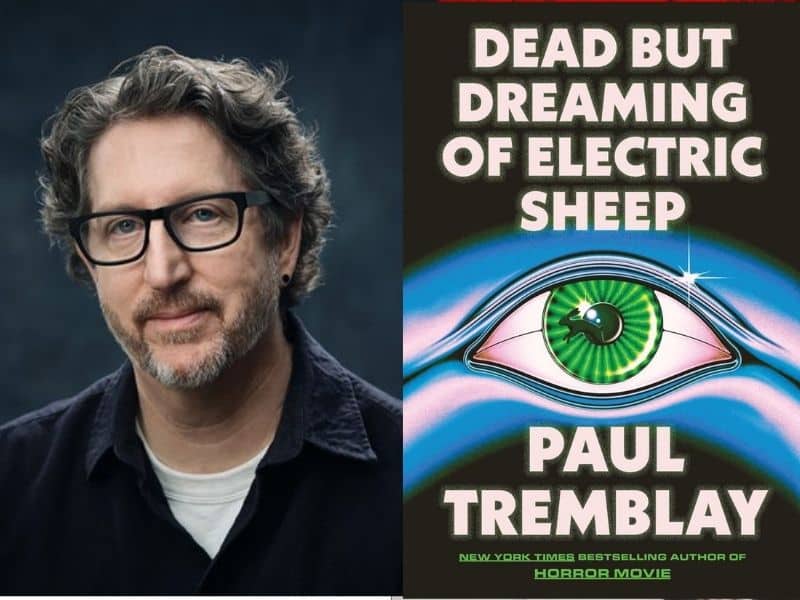
Paul Tremblay seeks out a human connection
The author, who will be in town this weekend for the Columbus Book Festival, finds inspiration in the insidiousness of Big Tech for his latest novel, ‘Dead but Dreaming of Electric Sheep.’

The Columbus Book Festival summer reading list
Here are 13 books to get you hyped for this weekend’s fest and to help you while away the remainder of these sweltering summer days.
Dear Ms. Stevi can finally see everything
The Columbus poet will read this week at Streetlight Guild to kick off the open mic miniseries ‘All the Words.’