
Dear Ms. Stevi can finally see everything
The Columbus poet will read this week at Streetlight Guild to kick off the open mic miniseries ‘All the Words.’
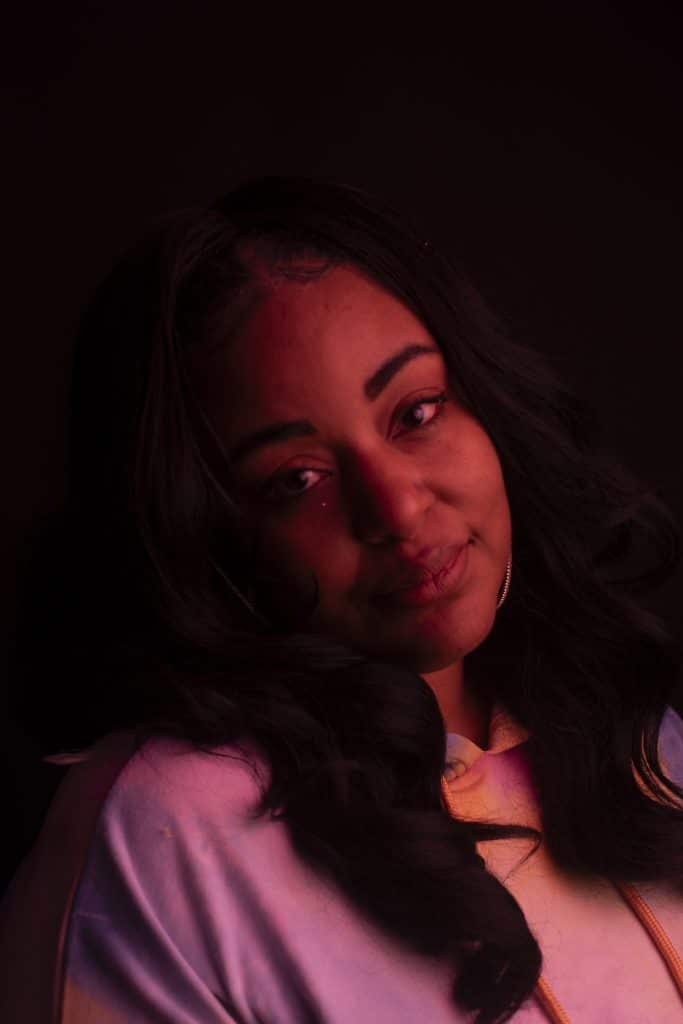
For as long as she can remember, Dear Ms. Stevi has leaned into writing as a way to process her environment and how she fits within it, recalling how she progressed from keeping a diary under lock and key as a child to filling notebook after notebook once she moved into her late teens and early 20s.
“When I was a kid, it’s just kind of what I did, and I probably didn’t even realize at the time how much it was helping me through things,” said the poet, born Stevi Knighton in Columbus, who acknowledged that this practice became more intentional during her college years at Fisk University in Nashville, allowing her to better work through everything from heartbreak and homesickness to how to navigate the American landscape as a Black woman. “And my writing was absolutely influenced by that discovery of self and the real world, along with all of those things that come with it, including the social strife that unfortunately many folks of color deal with in this country.”
These writings first started to coalesce as poems at age 9, and then in open mic performances beginning at age 16, with Stevi recounting the sense of validation she received in that moment, and how it blossomed over time into an awareness that she could move others with her words.
A donation powers the future of local, independent news in Columbus.
Support Matter News
Throughout her late teenage years and into her early 20s, many of these poems served as expressions of unrequited love, gradually taking on greater depth and context as Stevi accrued more life experience. Motherhood, in particular, injected a degree of perspective that she said helped her to spend less time lingering on more inconsequential concerns.
“After I had kids, things that had seemed world-ending, it was like, ‘This is really no big deal,’” said Stevi, who will appear at Streetlight Guild at 8 p.m. on Thursday, July 9, helping to kick off “All the Words,” a free poetry open mic miniseries that extends through the end of the month and also includes performances from Mandy Shunnarah (July 16) and Barbara Fant (July 30). “And then I began to explore all the things that came with having an adult relationship, where now I’ve been through a divorce, and I’m writing about raising kids alone. So, it’s still me looking at myself and my lived experiences, but it obviously grew with the things I was going through.”
Beginning in college, Stevi also began to write poems that addressed subjects such as racial inequity, the class divide, and police brutality – a subject to which she has a particular closeness, having grown up with a mother who briefly served as a police officer.
“My mom is a caring individual, and she wants people to be safe and be well. So, her desire to join was so clear to me, because she always had a desire to help and uplift people,” said Stevi, who noted that her mom’s early career choice didn’t exempt the family from police harassment and overreach. “I have story after story of friends and family who were beaten, profiled, stopped for no reason, or harmed in some way. … And what I remember most is my mom being very resolute, and even now she’ll tell you, ‘That’s not what they’re supposed to do. That’s not part of the training.’ … And if she had it to do all over again, I don’t know if she’d be a police officer.”
Stevi said she first became aware of the concept of race in second grade, when her teacher, a nun at what was then known as Christ the King, told the class that “Black people have to put grease in their hair because they have nappy hair, and white people have pretty, long, soft hair,” which left the youngster seated in stunned silence at her desk. Years later, while in sixth grade at Southmoor Middle School, the poet received another jarring reminder of these deep-set racial disparities when a dead body was discovered on the playground one morning and administrators ushered children off the bus, past the scene, and into the building rather than canceling classes.
“And then we had to call our parents and let them know what was going on,” Stevi said. “And that wouldn’t have flown at a school in Upper Arlington. That wouldn’t have flown in Gahanna, or New Albany, or Dublin. … And so, I became very conscious of race in second grade, and then it only expanded from there.”
While Stevi’s writing has expanded in a similar manner, there are aspects of her work that have remained consistent from the first time she read at an open mic at age 16, dedicating the poem to a best friend who was experiencing a difficult time at home.
“And in the poem, I repeatedly said, ‘I see you,’ because … I wanted to make sure she knew that in spite of all the things she was going through, I saw her, and I knew her,” Stevi said. “And that’s something I still need to make clear. I still need to be sure I’m saying something that makes other women, Black women, single moms, feel seen. … And so, it’s not only do I see my best friend, but I see y’all. I see myself. I see the world. I see the politics. I see the setup. I see the system. Now, it’s not just that I see you. It’s that I see everything.”
Author

Related Articles
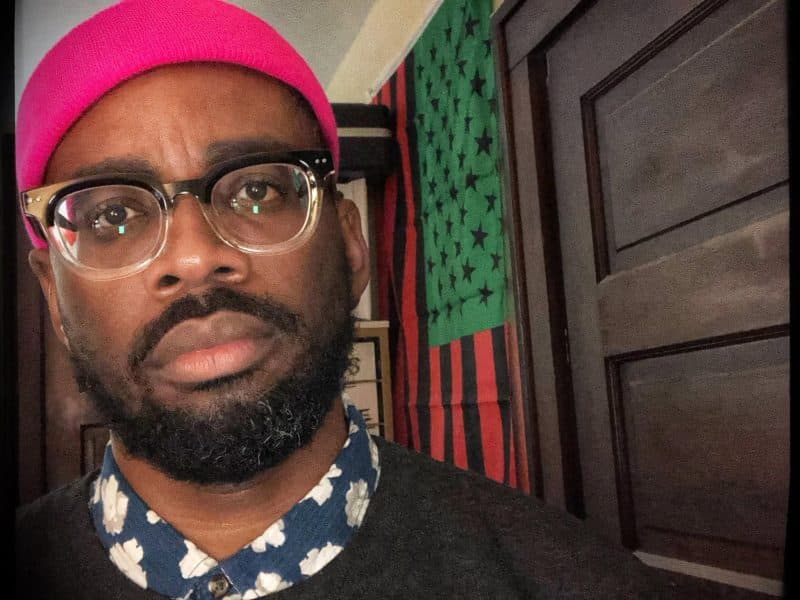
Dorian Ham names the monsters in the room with ‘In 250 Degrees I Revolve’
The Columbus poet’s new chapbook uses the anniversary of American independence to explore the repetitive nature of history, the politics of fear, and the need to push back rather than accepting ‘the badness of a thing.’
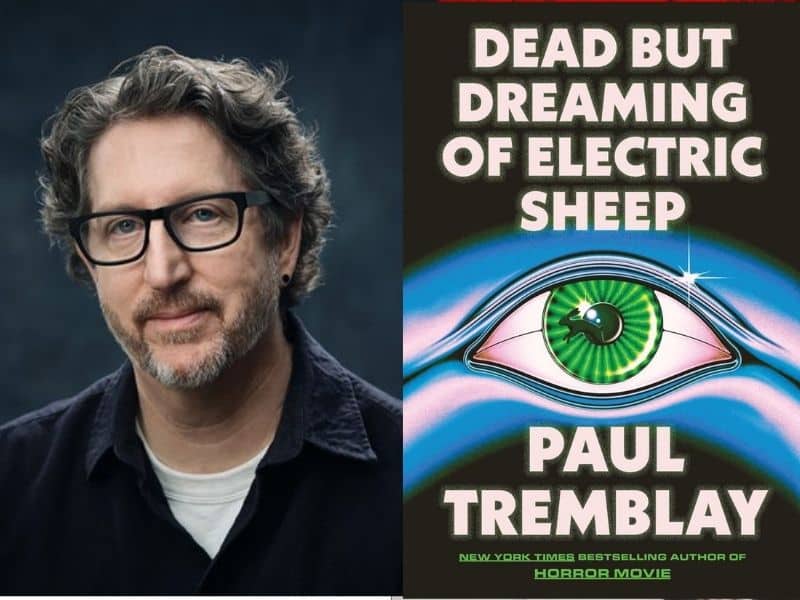
Paul Tremblay seeks out a human connection
The author, who will be in town this weekend for the Columbus Book Festival, finds inspiration in the insidiousness of Big Tech for his latest novel, ‘Dead but Dreaming of Electric Sheep.’
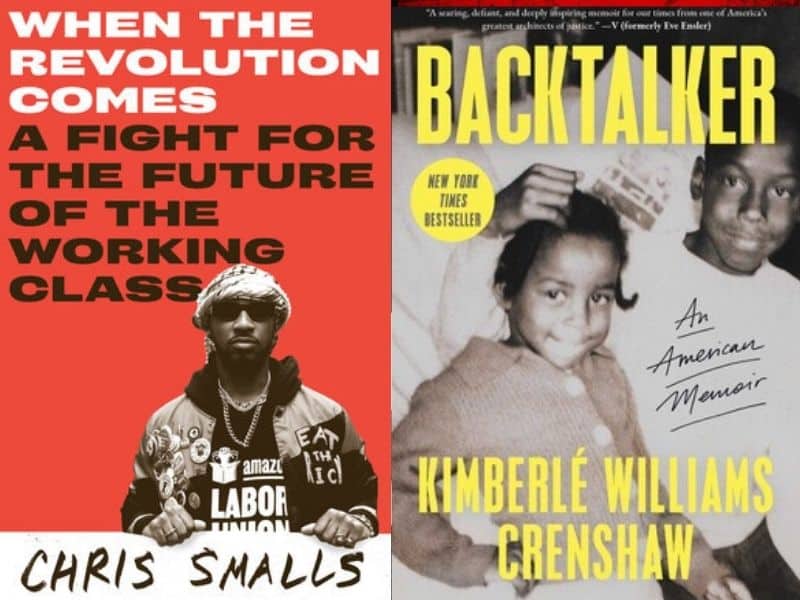
The Columbus Book Festival summer reading list
Here are 13 books to get you hyped for this weekend’s fest and to help you while away the remainder of these sweltering summer days.