
Hanif Abdurraqib named recipient of the 2026 Weston International Award
The celebrated Columbus poet and author is the latest winner of the literary award for nonfiction, given each year by the Writers’ Trust of Canada.
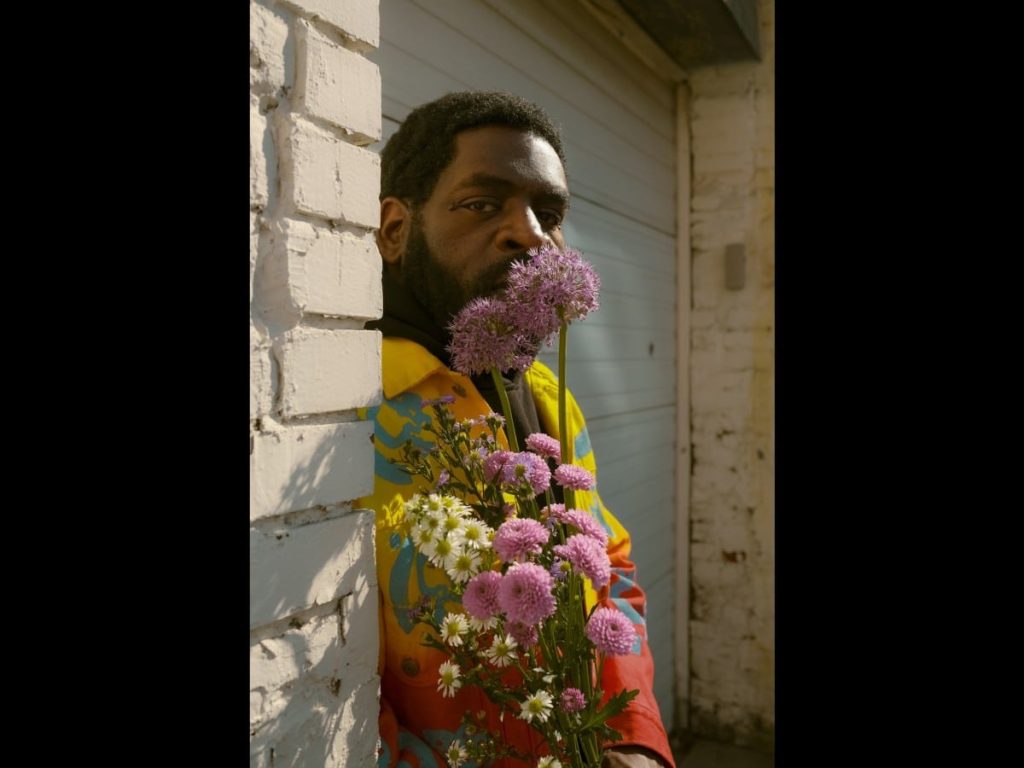
In a 2024 interview, celebrated Columbus poet and author Hanif Abdurraqib zeroed in on the part that chance plays in any kind of success, understanding that the path to being named a MacArthur Fellow and winning an award for criticism from the National Book Critics Circle Awards – both of which he has already accomplished in his relatively young career – can’t be charted in advance.
“I think a lot of my quote-unquote ‘making it’ has felt accidental,” he said.
It’s also richly deserved and shows no sign of slowing, with Abdurraqib having been announced this week as the recipient of 2026 Weston International Award, given by the Writers’ Trust of Canada and designed to honor the career achievement of an international author for their outstanding body of work in literary nonfiction.
A donation powers the future of local, independent news in Columbus.
Support Matter News
“Writers like Hanif Abdurraqib are why the Weston International Award was created,” David Leonard, executive director of Writers’ Trust, said in a press release announcing the award. “His writing is sharp, inventive, and tuned for this specific moment in our culture. Nonfiction is here to show us who we are and who we might become, and Abdurraqib’s contributions will be felt for generations to come.”
In addition to the $75,000 CAD prize, Abdurraqib will also feature onstage at the Royal Ontario Museum in Toronto in September for an author conversation centered on the place nonfiction writing holds within the world.
In their jury citation, the Weston Awards voters relayed their enchantment with Abdurraqib’s “ability to create a chorus of Black life through the shared languages of performance, music, and athleticism, that is utterly and authorially distinct. Whether writing on basketball, dance, music, or policing and violence, he calls out falsehoods, centers the marginalized, and affirms that ‘they can’t kill us until they kill us.’”
Author
Related Articles
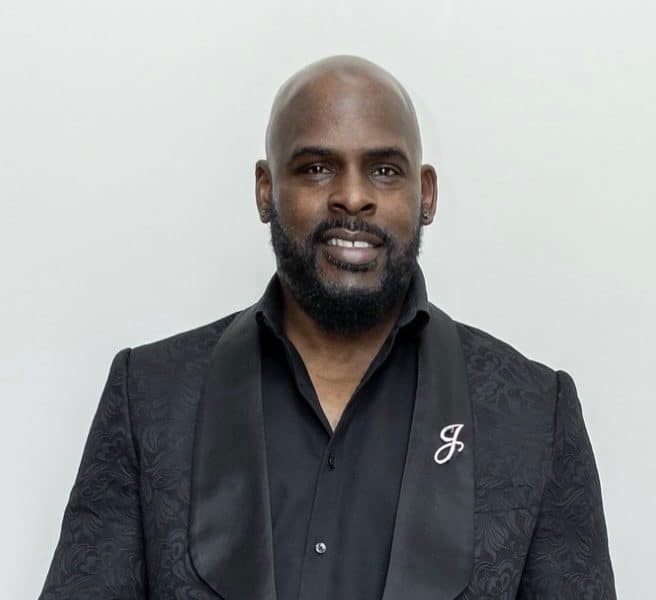
Edward Julian Sr. embraces poetry as a means to release and reflect
Ohio’s poet laureate features at Urban Arts Space tonight (Thursday, Sept. 24), appearing as part of the Poetry Festival, which continues through the weekend at Thurber House and the Grange Insurance Audubon Center.
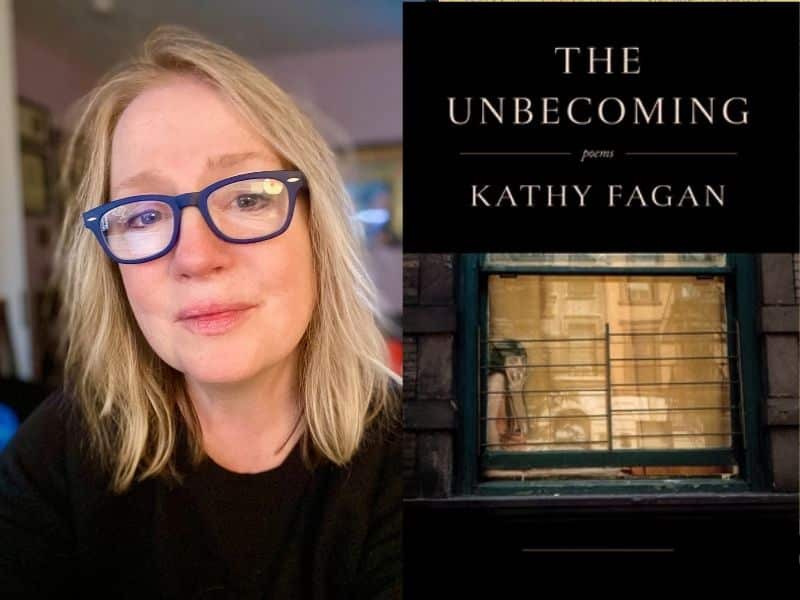
Kathy Fagan takes stock with ‘The Unbecoming’
The poet will celebrate the release of her new collection with a reading at Gramercy Books on Thursday, Sept. 24.
Derf Backderf delves into the past, finds lessons for the present with ‘The Dissidents’
The Cleveland cartoonist will celebrate the release of his sprawling, deeply engaging new book with an appearance at the Wexner Center for the Arts on Wednesday, Sept. 23.